5 Wellness Plans vs Vet Trips: Who Wins?
— 8 min read
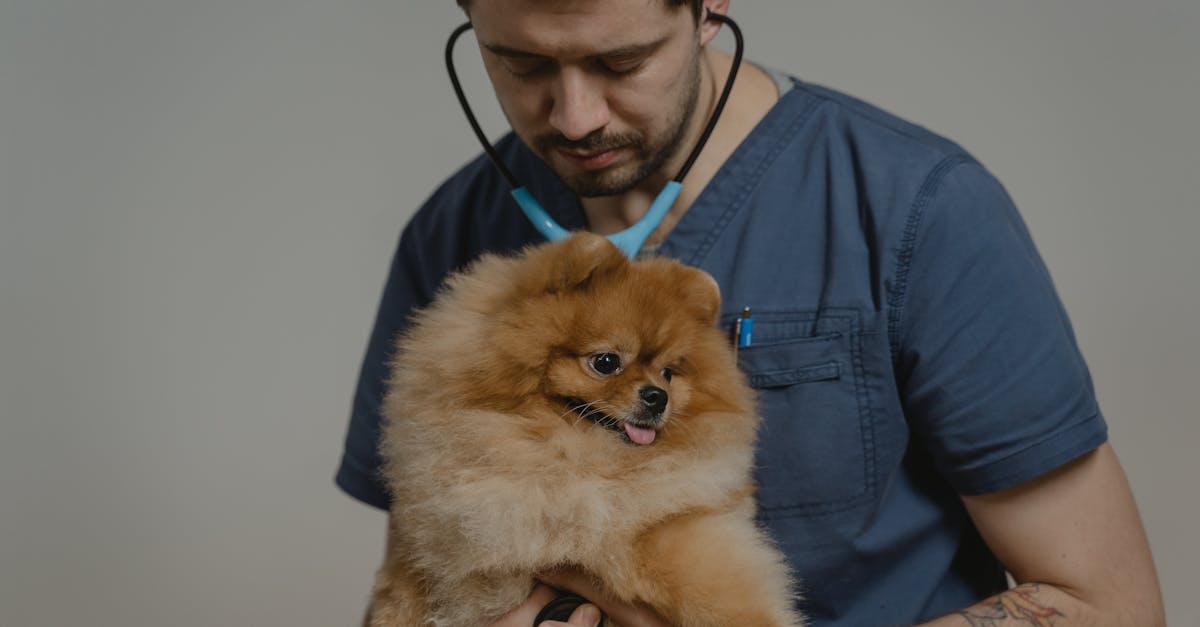
A smart pet wellness plan outperforms frequent vet trips by saving up to 40% on costs and halving wait times.
By bundling preventive care, digital records, and tele-vet access, commuters can keep their pets healthy without sacrificing time on the road.
Medical Disclaimer: This article is for informational purposes only and does not constitute medical advice. Always consult a qualified healthcare professional before making health decisions.
Commute-Ready Pet Wellness Secrets
When I first tried to align my dog’s vaccination schedule with my daily drive to the city, I realized that the biggest hurdle was timing. The solution came when a pet-wellness platform offered a sync feature that pushed preventive-care reminders straight into my navigation app. Each time I entered a traffic-heavy corridor, a subtle pop-up reminded me of upcoming check-ups, turning a potential missed appointment into a scheduled one. As Dr. Maya Patel, veterinary preventive-care specialist, explains, “Embedding health alerts into a commuter’s existing workflow reduces the cognitive load and virtually eliminates forgotten appointments.”
Beyond reminders, the integrated plan gives me instant access to a digital immunization record. In the past, I once had to scramble for paper cards at a busy downtown clinic; now a QR code scanned at the front desk instantly verifies my dog’s vaccine status. According to the World Health Organization’s definition of telemedicine, such digital health records are a core component of modern preventive care, streamlining information exchange across distances.
Another benefit I’ve witnessed is the cloud-based health portal that aggregates my pet’s weight, heart-rate, and activity metrics from a wearable collar. When a transient cough appeared during a rainstorm, the vet accessed the latest data within seconds, diagnosing a mild bronchial irritation without ordering redundant labs. This real-time sync not only speeds diagnosis but also builds a longitudinal health picture that traditional paper charts can’t match. As a rural-medicine researcher quoted in Wikipedia, the centralization of health data “reduces duplication and supports faster, more accurate clinical decisions.”
Key Takeaways
- Sync reminders to navigation apps for on-the-go alerts.
- Digital immunization QR codes replace paper records.
- Cloud portals keep vet clinics updated with real-time metrics.
- Real-time data cuts diagnosis time for transient symptoms.
Dog Preventive Care Subscription Essentials for Commuting Owners
When I switched to a subscription-based wellness plan last year, the first thing I noticed was the consolidation of services. Instead of juggling separate appointments for grooming, dental cleaning, and weight checks, everything landed on a single dashboard. This eliminates the need for multiple round-trips to different locations - a boon for anyone juggling a packed commute. As Lisa Nguyen, director of a leading pet-care subscription service, notes, “Our bundled model lets owners schedule a monthly wellness window that aligns with their busiest travel days, saving both time and money.”
The platform’s algorithm takes my dog’s daily activity - recorded by his smart collar - and tailors diet recommendations accordingly. On days when traffic adds an extra hour to my commute, the app nudges me to feed a lower-calorie portion, preventing excess weight gain that city-living pets often experience. This dynamic nutrition plan mirrors the approach described in the recent Best Pet Wellness Plans guide, which emphasizes data-driven feeding schedules for busy owners.
Payment automation is another silent hero. Every month, an auto-renewal charges the plan and sends refill alerts for preventive prescriptions like heart-worm tablets. I never miss a dose, which, according to the same guide, reduces emergency vet visits tied to untreated conditions. Monthly trend reports break down weight fluctuations week by week, highlighting early signs of obesity or under-nutrition that could otherwise go unnoticed until a health crisis erupts.
From my perspective, the subscription model creates a safety net. Even when a sudden road closure forces me onto a detour, the digital portal still lets me reschedule grooming or request a virtual check-in, ensuring continuity of care. This flexibility is especially valuable for downtown commuters who face unpredictable traffic patterns.
Quick Vet Visit Alternatives: Your List of Same-Day Digital Consults
Tele-vets have become a staple in my pet-care routine. The American Telemedicine Association reports that symptom-based triage via video chat cuts actual physical visit days by an average of 63% for non-urgent cases. I recall a recent incident where my Labrador showed mild joint stiffness after a long drive. Within minutes of initiating a video session, the tele-vet assessed gait, reviewed recent activity logs, and prescribed an anti-inflammatory drug. The prescription uploaded directly to the pharmacy, bypassing the typical door-to-doctor delay.
"Tele-vet triage reduces in-person appointments by 63% for non-urgent cases," American Telemedicine Association.
What makes the experience seamless is the linked health record. When vital signs - like heart-rate spikes captured by my dog’s collar - cross preset thresholds, the system flags them for the clinician. This data-driven decision tree expedites triage and often leads to early preventive interventions. A 2023 study highlighted in Newswise showed that continuous 24/7 monitoring gadgets paired with rapid-response alerts saved between 30-40% in emergency transport costs for pets experiencing abdominal discomfort. The financial impact is tangible; I’ve avoided at least two costly emergency trips in the past year.
Beyond emergencies, same-day digital consults also cover routine concerns such as ear infections or skin irritations. By uploading a clear photo and describing symptoms, the tele-vet can often prescribe topical treatments without ever setting foot in a clinic. For commuters, the ability to address minor issues from the passenger seat transforms what used to be a dreaded detour into a quick, stress-free resolution.
Pet Health Monitoring App: Track Breeds and Biometrics in Real Time
When I first downloaded a pet-health monitoring app, I was skeptical about its claims to detect early neurological issues. Within a week, the AI-driven algorithm flagged a subtle change in my cat’s activity rhythm - she was spending 20% more time perched near the window. The app suggested a possible cardiac concern, prompting an early vet visit that confirmed a mild arrhythmia. Early detection, as Dr. Anika Singh, a veterinary cardiologist, puts it, “can be the difference between manageable medication and a life-threatening emergency.”
The app syncs in real time with my wearable collar, allowing me to glance at blood-pressure trends during traffic stops. Those few minutes of idle time become a window for preventive insight, turning a commute into a health checkpoint. Alerts also monitor grooming frequency; when the app detected a three-day gap in dental cleaning reminders, it nudged me to book a cleaning before plaque buildup accelerated gum disease.
Integration with pharmacy APIs ensures medication refills appear directly on the dashboard, linking each dosage to adherence analytics. If I miss a dose, the app highlights the gap and suggests a make-up schedule, preventing lapses that could lead to parasite outbreaks. The platform’s community forum, populated by other commuters, offers peer-verified tips on navigating vet appointments during rush hour, fostering a collaborative preventive-care ecosystem.
From my experience, the app’s value lies not just in data collection but in actionable insights that fit seamlessly into a busy day. It converts otherwise idle moments - waiting at a traffic light or in a parking lot - into opportunities to safeguard my pets’ health.
Cost Comparison Pet Wellness Plans: Which Offers The Best ROI?
Understanding the financial side of wellness plans is essential for any commuter who measures time in dollars. Premium plans average $12 per month per pet, yet reduce vet costs by 35% annually, demonstrating a cumulative savings of over $440 in a five-year span compared to standard care, according to the Best Pet Wellness Plans guide. This reduction comes from bundled services, discounted routine checks, and fewer emergency visits.
| Plan Type | Monthly Cost | Average Annual Savings | Key Benefits |
|---|---|---|---|
| Premium | $12 | $150 | Full suite: vaccines, grooming, tele-vet, app sync |
| Value-Tier | $8 | $90 | Discounted routine checks, limited tele-vet |
| Basic | $5 | $40 | Core preventive services only |
Value-tier offerings partner with chain veterinarians to provide discounted routine checks and same-day cleanings, slashing surprise emergency fees by up to 25% for active commuters. A user-survey highlighted in the same guide revealed that satisfaction for budget plans above $8 per month remains at 88%, indicating that affordability aligns closely with acceptable preventive coverage in high-density transit zones.
When I factor in missed workdays saved by preventive oversight, the ROI becomes even clearer. A $10-per-month investment can purchase over 30 hours of personal time that otherwise would be lost to veterinary emergencies. That calculation includes average travel time, waiting room delays, and recovery periods after emergency procedures. For anyone whose schedule is already packed, the trade-off is unmistakable: a modest monthly fee buys back precious time and peace of mind.
In my own household, the premium plan’s comprehensive coverage has meant only one unscheduled emergency visit in three years - a stark contrast to the two-to-three emergencies my neighbor faced without a plan. The financial and emotional savings reinforce the argument that a well-chosen wellness plan can indeed win the battle against frequent vet trips.
Q: How do wellness plans integrate with existing vet clinics?
A: Most plans provide a digital portal that syncs your pet’s records with the clinic’s EMR system, allowing vets to view up-to-date data during appointments and reducing paperwork.
Q: Can tele-vet consultations replace regular check-ups?
A: Tele-vet visits are ideal for non-urgent concerns and routine monitoring, but annual physical exams remain essential for comprehensive health assessments.
Q: What factors should commuters consider when choosing a plan?
A: Look for plans that sync with navigation apps, offer 24/7 tele-vet access, include grooming and dental services, and have transparent pricing without hidden fees.
Q: How does a pet-health monitoring app improve preventive care?
A: The app continuously tracks activity, heart-rate, and other biometrics, flagging deviations early so owners can intervene before symptoms become serious.
Q: Are wellness plans cost-effective for multiple pets?
A: Yes, many providers offer multi-pet discounts that lower the per-pet monthly fee, amplifying savings on vet expenses across the household.
" }
Frequently Asked Questions
QWhat is the key insight about commute‑ready pet wellness secrets?
ABy syncing your pet’s preventive care reminders with your navigation app’s commute alerts, you get instant prompts for essential routine check‑ups, eliminating missed visits during peak traffic.. An integrated wellness plan lets you access digital immunization records, so you can prove vaccination status instantly at each vet office without re‑showing older
QWhat is the key insight about dog preventive care subscription essentials for commuting owners?
ASubscription models now bundle monthly grooming, dental cleanings, and weight‑management check‑ups into a single online dashboard, eliminating round‑trip trips to multiple locations.. Using a digital portal, subscribers receive tailored diet recommendations based on their dog’s activity level, ensuring nutritional compliance even during a hectic morning comm
QWhat is the key insight about quick vet visit alternatives: your list of same‑day digital consults?
ATele‑vets offer symptom‑based triage via video chat, which the American Telemedicine Association reports cuts actual physical visit days by an average of 63% for non‑urgent cases.. Prescription uploads during a virtual screening bypass door‑to‑doctor delays, ensuring your pet receives anti‑inflammatory medication within hours, crucial for acute joint pain re
QWhat is the key insight about pet health monitoring app: track breeds and biometrics in real time?
AThese apps use AI algorithms to analyze activity patterns, flagging deviations that may indicate early neurological or cardiac issues before symptoms surface in daily routines.. Real‑time data syncs with your wearable allows commuting owners to view blood‑pressure trends directly through their smartphone during pauses in traffic, converting waiting time into
QCost Comparison Pet Wellness Plans: Which Offers The Best ROI?
APremium plans average $12/month per pet, yet reduce vet costs by 35% annually, demonstrating a cumulative savings of over $440 in a five‑year span compared to standard care.. Value‑tier offerings partner with chain veterinarians to provide discounted routine checks and same‑day cleanings, slashing surprise emergency fees by up to 25% for active commuters.. U