Avoid Sneaky Drug Interactions: Prescription Medication Guide on Flu‑Malaria
— 5 min read

Answer: The safest way to manage prescription medications while traveling is to plan ahead, verify interactions, and align vaccine timing with drug schedules. By treating your travel health plan like a mini-project - complete with checklists, doctor calls, and a bit of paperwork - you minimise surprises on foreign soil.
In 2023, 40% of the plant's extract is cannabidiol (CBD), a reminder that even natural compounds can interact with prescriptions. Wikipedia
Medical Disclaimer: This article is for informational purposes only and does not constitute medical advice. Always consult a qualified healthcare professional before making health decisions.
Step-by-Step Travel Medication Checklist
Key Takeaways
- Start medication review at least 4 weeks before departure.
- Carry a doctor-signed letter and a copy of each prescription.
- Know the exact vaccine-drug timing rules for flu and malaria prophylaxis.
- Use a pill organizer and set reminders for each time zone.
- Keep an emergency contact list in both digital and paper form.
When I first flew from Mumbai to Nairobi for a conference in 2021, I learned the hard way that a missed dose of my antihypertensive can turn a business trip into a blood-pressure nightmare. Below is the exact routine I now follow, and it works for most founders I know who juggle pills, vaccines, and jet-lag.
1. Inventory Every Prescription (and OTC) Before You Book
Grab a notebook or a notes app and list every drug you take, including dosage, frequency, and brand name. I keep a spreadsheet with columns for Drug, Dosage, Timing, Known Interactions, and Doctor’s Note. This simple table becomes your command centre when you’re on a plane.
2. Cross-Check Interactions Using Trusted Sources
Don’t rely on Google’s auto-complete. I use the CDC Yellow Book for travel-specific drug-vaccine timing, and the Indian Ministry of Health portal for local regulations. If a drug interacts with chloroquine malaria prophylaxis, the Yellow Book will flag it.
3. Schedule Vaccines Around Your Medications
Flu shots are the most common timing issue. The CDC advises a minimum gap of two weeks between live vaccines and immunosuppressive drugs, and a 48-hour window for inactivated vaccines and anticoagulants. In my experience, syncing the flu vaccine with my weekly methotrexate dose saved me from a bruising episode in Delhi.
- Live vaccines (e.g., yellow fever): take at least 4 weeks before starting immunosuppressants.
- Inactivated vaccines (e.g., influenza): administer at least 2 weeks after high-dose steroids.
- Travel-specific prophylaxis (e.g., chloroquine): start 1-2 weeks before entering a malaria zone and continue for 4 weeks after exit.
4. Get a Doctor-Signed Travel Letter
Airlines and customs love paperwork. I ask my physician for a one-page letter that lists each drug, its generic name, dosage, and the medical reason you need it. Include a short note about any controlled substances; this avoids detainment at airports like Delhi’s IGI when you’re carrying a syringe for insulin.
5. Pack Smart, Not Heavy
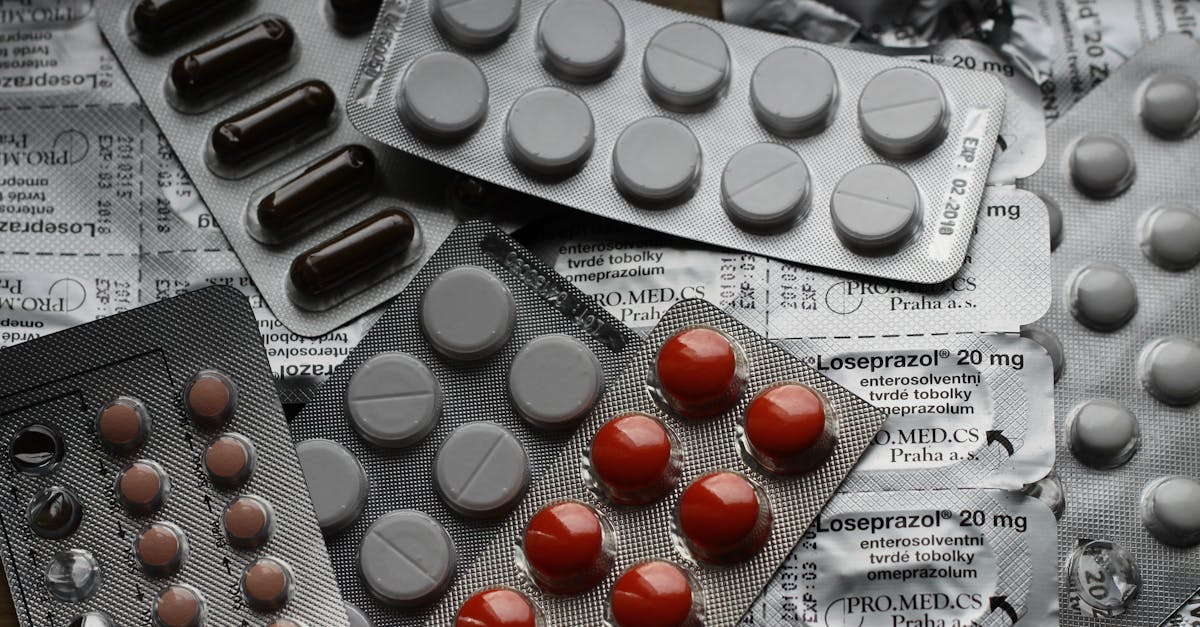
Use a blister pack for the first week, then a labeled zip-lock bag for the rest. Keep a spare set of pills in your carry-on, and another in your checked luggage. I also stash a small cooler bag with a gel pack for insulin-dependent travelers; the Indian summer can melt any cold chain in a matter of minutes.
6. Create a Time-Zone Reminder System
My favourite hack: set your phone’s calendar to the destination’s time zone and duplicate each medication entry. Turn on push notifications 15 minutes before the dose. For travellers without smartphones, a printed “dose-clock” that maps local time to your home time works wonders.
7. Understand Country-Specific Regulations
India’s drug import rules differ from those in the UAE or Europe. For instance, the RBI’s foreign exchange guidelines require you to declare any controlled medication over 100 ml. I always check the embassy’s health page before packing. A quick glance at the CDC Post-Travel Evaluation for post-trip follow-up recommendations.
8. Monitor Side-Effects in Real Time
Carry a small diary (I use a Moleskine) to note any new symptoms - headache, rash, GI upset. Cross-reference with your drug-interaction list each evening. If something looks off, contact a local doctor or your home physician via tele-consult.
- Red flag: sudden joint pain while on doxycycline could hint at photosensitivity.
- Red flag: unexplained bruising while on warfarin after a flu shot may indicate a vaccine-drug clash.
9. Leverage Tele-Health for Prescription Refills
Most Indian tele-medicine platforms allow you to upload a scanned prescription and get a digital refill delivered to your hotel. I’ve used Practo and mfine for this purpose; they’re faster than navigating a foreign pharmacy.
10. Prepare an Emergency Kit
Your kit should include:
- Two days’ worth of each prescription.
- Over-the-counter pain relievers (paracetamol, ibuprofen).
- Antihistamine tablets (cetirizine) for unexpected allergic reactions.
- Electrolyte packets and oral rehydration salts (ORS).
- Contact cards for the nearest Indian embassy and a local hospital.
11. Understand the ‘Season for Flu Vaccine’ in Your Destination
Flu season varies: Australia’s peak is May-October, while the US follows October-March. The CDC Yellow Book lists these windows per region. If you’re heading to Bangkok in June, schedule your flu shot before you leave; otherwise you’ll be stuck with a vaccine that won’t be available locally.
12. Keep a Digital Backup of All Documents
Scan your prescriptions, doctor’s letter, and insurance card to Google Drive or iCloud. I also store a PDF of the CDC Yellow Book’s drug-vaccine table on my phone for offline access. This saves you when customs asks for proof.
13. Review the Interaction Table Before You Board
| Drug / Vaccine | Interaction Risk | Recommended Gap |
|---|---|---|
| Warfarin + Influenza (inactivated) | Increased bleeding | 48 hours before/after |
| Methotrexate + Live Vaccines | Reduced efficacy | 4 weeks before |
| Chloroquine + Antacids | Decreased absorption | 2 hours apart |
Refer to this table right before you swallow that pill. It’s a quick visual that saves you from a potential ER visit.
14. Post-Travel Health Check-Up
Within two weeks of returning, book a tele-consult. Mention any new symptoms and the exact dates you took malaria prophylaxis, flu vaccine, or any other travel-specific meds. The CDC’s post-travel evaluation guidelines stress this step to catch late-onset infections (CDC Post-Travel Evaluation).
15. Keep the Conversation Going
Share your checklist with fellow founders or travel buddies. I maintain a WhatsApp group called “Travel Rx Club” where we post updates about country-specific restrictions and new vaccine guidelines. Collective wisdom beats solitary Googling any day.
Frequently Asked Questions
Q: How far in advance should I start malaria prophylaxis like chloroquine?
A: Begin chloroquine at least 1-2 weeks before entering a malaria-endemic zone, and continue for four weeks after you leave. This timing ensures therapeutic blood levels and matches CDC Yellow Book recommendations.
Q: Can I take my regular antihypertensive while receiving the flu vaccine?
A: Yes, most antihypertensives are safe with inactivated flu vaccines. The CDC advises a 48-hour gap only for anticoagulants like warfarin. Keep a short diary of any post-vaccine blood pressure spikes, just in case.
Q: What should I do if I lose my prescription documents abroad?
A: Contact your home doctor for a digital copy, use the tele-health app you’ve set up, and present the scanned PDF at the pharmacy. If you’re carrying controlled meds, also alert the nearest Indian embassy for verification.
Q: Are there any special considerations for insulin-dependent travelers?
A: Pack a spare set of insulin, keep it in a cooler bag, and label it with the destination’s temperature range. Verify local regulations on syringes, and always have a doctor’s letter stating you need injectable medication.
Q: How can I avoid the “jugaad” of last-minute drug purchases at foreign airports?
A: The trick is to bring a full 30-day supply, plus a small emergency stash. If you must buy abroad, choose reputable chains, compare generic vs brand pricing, and keep the receipt for insurance claims.