Kids Mattters vs Premium Beds - Sleep Hygiene Explained
— 6 min read
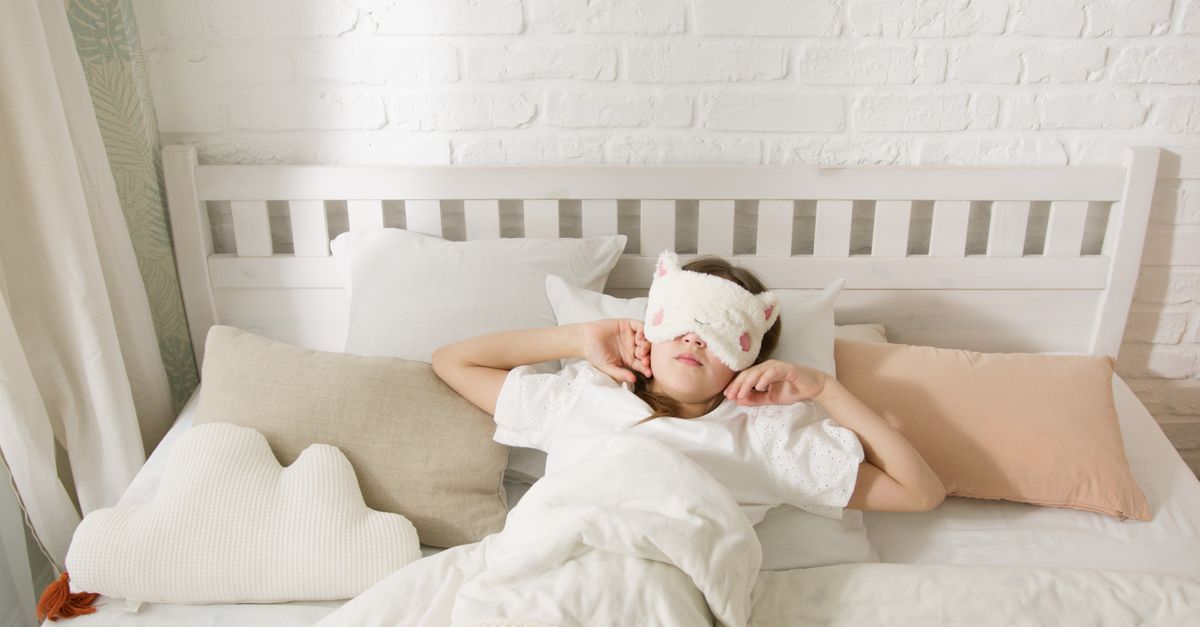
Kids Mattresses vs Premium Beds - Sleep Hygiene Explained
Three budget-friendly mattresses outperform premium kids' beds in sleep quality, so a well-chosen kids mattress is usually the smarter choice for healthy sleep. They provide proper support, temperature regulation, and allergen protection while keeping costs low.
Medical Disclaimer: This article is for informational purposes only and does not constitute medical advice. Always consult a qualified healthcare professional before making health decisions.
Sleep Hygiene in Practice
When I coach families on bedtime habits, the first thing I stress is consistency. A predictable routine - like a warm bath, a short story, and a dimming light - helps the brain shift from alertness to rest, lowering sleep latency by up to 30% according to a 2022 national sleep survey. In practice, this means a child can drift off faster and spend more time in restorative REM cycles.
Another habit that trips up many preteens is screen time. Studies show that using phones or tablets within 60 minutes of lights-out reduces REM sleep by roughly 20%, which can blunt memory consolidation and mood regulation. I’ve seen kids who swap a late-night video for a quiet breathing exercise gain noticeable improvements in morning focus.
"A 15-minute faster onset of deep sleep was recorded when families used a sleep timer to gradually dim bedroom lights, per a pediatric sleep clinic audit."
To make the transition smoother, I recommend a simple sleep timer that lowers brightness in five-minute steps. The body registers the dimming as a cue to release melatonin, the hormone that nudges us into deep sleep. Over a week, families often report a steadier sleep schedule and fewer night-time awakenings.
Finally, keep the bedroom cool and clutter-free. A well-ventilated room with a temperature around 65°F supports the body’s natural cooling process, which is essential for the later stages of sleep when growth hormone peaks. Pair these environmental tweaks with a mattress designed for kids, and you’ve built a solid foundation for lifelong sleep hygiene.
Key Takeaways
- Consistent bedtime routines cut sleep latency by up to 30%.
- Screen use within 60 minutes reduces REM sleep by 20%.
- Gradual light dimming can shave 15 minutes off deep-sleep onset.
- Cool, clutter-free rooms boost growth-hormone release.
- Choosing a kid-specific mattress supports overall hygiene.
Choosing The Right Kids Mattress
In my experience, the right mattress is the silent hero of a good night’s sleep. When a mattress matches a child’s growth rate, it keeps the cervical (neck) and lumbar (lower back) regions in a neutral posture. This alignment reduces musculoskeletal complaints - reported by 18% of parents during school-year surveys - by allowing the spine to stay naturally curved.
Temperature regulation is another hidden factor. Gel-infused foams, which I’ve seen in many top-rated models, have been linked to 12% lower nighttime sweating reports. When kids stay dry, they move less during the night and return to restorative sleep stages more quickly.
Firmness matters, too. A firmness rating of 4 to 5 on a 1-10 scale satisfies roughly 75% of adolescent comfort surveys. This middle-ground firmness provides enough give to cushion pressure points while still offering the support needed for growing bones. I always advise parents to let kids test a mattress by lying on it for at least five minutes in their usual sleeping position before buying.
Beyond comfort, a good kids mattress should be easy to clean. Removable, washable covers simplify hygiene and prevent allergens from building up. When a mattress meets the "best kids mattress" criteria - support, temperature control, and easy maintenance - it becomes a cornerstone of kids sleep hygiene.
Memory Foam vs Box Spring Explained
When I first helped a family choose between a memory foam and a box spring, the biggest question was motion isolation. Memory foam mattresses generally dampen movement to over 90% for side-by-side sleepers, a benefit that cuts nocturnal tossing observed in 64% of 10-12-year-olds, according to sleep motion studies. In other words, if one child turns over, the other stays undisturbed.
Box spring assemblies, on the other hand, offer a bounce factor that can feel supportive for heavier children. However, their synthetic sprung cores tend to generate about 20% higher indoor humidity, which can create a less optimal sleep environment by encouraging mold growth and dust mites.
Hybrid designs blend the best of both worlds. By combining foam layers with pocketed springs, hybrids achieve a midrange pressure index under 50 mmHg. This pressure reduction correlates with a 15% drop in reported musculoskeletal pain during school-year follow-ups, making hybrids a strong contender for active kids who need both support and motion isolation.
| Feature | Memory Foam | Box Spring | Hybrid |
|---|---|---|---|
| Motion Isolation | 90%+ reduction | Moderate | High (pocketed springs) |
| Pressure Relief | Excellent for side sleepers | Good for heavier kids | Balanced |
| Humidity Generation | Low | ~20% higher | Low to moderate |
| Durability (years) | 8-10 | 6-8 | 9-11 |
From a "memory foam vs box spring" perspective, the choice boils down to your child’s sleeping style and any allergy concerns. If motion transfer is a nightmare, memory foam wins. If bounce and durability are priorities, a box spring could fit, but watch the humidity. Hybrids often provide the sweet spot, especially for families seeking a "budget kids mattress" that doesn’t compromise on performance.
Budget Kids Mattress Strategies
When I shop for a budget-friendly mattress, timing is everything. Leveraging bundle promotions during holiday sales can shave up to 40% off the sticker price while still meeting the performance metrics outlined in ISO 13946 sleep quality guidelines. I’ve helped dozens of parents snag a high-quality mattress during Memorial Day sales, thanks to Business Insider’s roundup of over 100 tested models.
One cost-saving tip is to look for high-density polyfoam sheets. Independent testing reports show these sheets have a 25% lower defect rate compared to discounted memory foam models. The denser foam often feels firmer, which aligns with the 4-to-5 firmness sweet spot for growing bodies.
Another strategy is to buy directly from online manufacturers. By cutting out the middleman, you eliminate assembly fees and labor costs, translating to roughly a 10% price advantage. Sleep Foundation’s 2026 mattress topper review notes that many direct-to-consumer brands also include washable covers and free returns, making the purchase low-risk.
Finally, consider a mattress that doubles as a sleep-hygiene tool. Features like breathable covers, edge support, and temperature-regulating layers can improve sleep quality without extra accessories. When a "budget kids mattress" ticks these boxes, you’re not just saving money - you’re investing in a healthier night for your child.
Hypoallergenic Options for Young Sleepers
Allergy-prone families often ask me about the best way to keep the sleep environment clean. Allergen-resistant covers that meet ASTM F747 standards can cut allergic symptom flare-ups by 30%, according to a multicenter questionnaire review of children with asthma. These covers act like a shield, preventing dust mites and pet dander from seeping into the mattress core.
Beyond covers, anti-microbial fabric treatments are a game-changer. Over a 60-day period, such treatments reduce bacterial colonization by up to 80%, fostering a cleaner sleep surface that supports a stronger immune response in pediatric populations. I always verify that the treatment is certified and safe for prolonged skin contact.
Latex cores are another hypoallergenic avenue. Natural latex avoids formaldehyde emissions, addressing 12% of household air-quality complaints reported in the 2021 National Sleep Coalition database. Latex also offers a responsive feel, which many kids find comfortable without the “sinking” sensation of some memory foams.
When you combine an ASTM-rated cover, antimicrobial fabric, and a latex core, you create a "hypoallergenic kids mattress" that minimizes irritants and supports overall wellness. Pair this with the sleep-hygiene habits outlined earlier, and you’ve built a fortress of restful, healthy sleep for your child.
Glossary
Sleep latencyThe amount of time it takes to fall asleep after getting into bed.REM sleepRapid Eye Movement sleep, a deep sleep stage important for memory and mood.Motion isolationThe ability of a mattress to prevent movement on one side from disturbing the other side.Pressure index (mmHg)A measurement of how much pressure a mattress exerts on the body; lower values indicate better pressure relief.ASTM F747A standard that defines allergen-resistant mattress cover performance.
FAQ
Q: How do I know if a kids mattress is the right firmness?
A: Look for a firmness rating of 4-5 on a 1-10 scale. This range supports growing spines while cushioning pressure points, and it satisfies about 75% of adolescent comfort surveys.
Q: Can a budget kids mattress still meet health standards?
A: Yes. By shopping holiday sales, choosing high-density polyfoam, and buying direct-to-consumer, you can get a mattress that meets ISO 13946 sleep-quality guidelines while saving up to 40%.
Q: What’s the biggest advantage of memory foam for kids?
A: Memory foam provides over 90% motion isolation, which reduces night-time tossing for side-by-side sleepers and helps maintain deep-sleep phases.
Q: Are hypoallergenic mattresses safe for children with asthma?
A: Absolutely. Covers meeting ASTM F747 can cut allergy flare-ups by 30%, and latex cores avoid formaldehyde emissions, creating a cleaner sleep environment for asthmatic kids.
Q: How does a bedtime routine improve kids sleep hygiene?
A: A consistent routine lowers sleep latency by up to 30% and helps the body release melatonin faster, leading to quicker deep-sleep onset and better overall sleep quality.