Prescription Medication Guide - Clever Sticking Tools Save Seniors?
— 5 min read
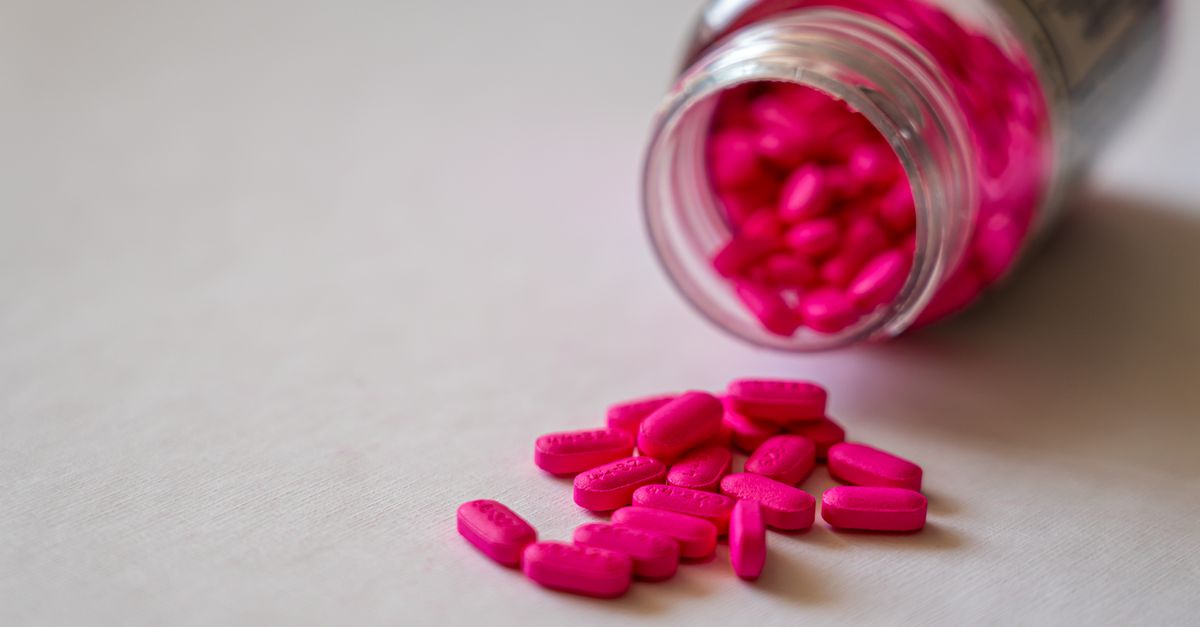
33% of medication errors in seniors stem from poor pill organization, and using adhesive sticking tools such as pill sleeves can cut those mistakes in half.
Medical Disclaimer: This article is for informational purposes only and does not constitute medical advice. Always consult a qualified healthcare professional before making health decisions.
Prescription medication guide
When I first helped my mother transition to a new heart medication, the first step was to verify the pharmacy receipt against the doctor’s order. I checked the exact drug name, dosage strength, and frequency, then matched them to the prescribing physician’s intent. This double-check prevents the common slip of receiving a similar-sounding generic that could alter therapeutic effect.
Next, I introduced a reusable notebook that lives on the kitchen counter. Every time a prescription is swapped or a refill arrives, I log the change: drug name, date, and any dosage adjustment. The notebook becomes a quick cross-check during the nightly “wind-up” routine, especially when multiple bottles sit side by side. In my experience, this habit stops single-patient confusion before it escalates into a missed dose.
Quarterly audits are the final safeguard. I pull each stored prescription, count the remaining pills, and compare the total to the expected consumption based on the logged schedule. Any discrepancy flags a unit mishandling early, allowing a proactive conversation with the pharmacist. This systematic audit mirrors the safety loops described in Using shared clinical decision support to reduce adverse drug events and improve patient safety. The study emphasizes that structured verification and regular review dramatically lower error rates, a principle I apply with each audit.
Key Takeaways
- Verify receipt matches doctor’s order before pickup.
- Log every prescription change in a visible notebook.
- Run quarterly pill counts to catch early mismatches.
- Use adhesive sleeves to lock pills in place.
- Collaborate with pharmacists for safety loops.
Medication adherence: How consistency matters
I set alarms on my phone at uniform times - 8 am, 12 pm, 6 pm, and 10 pm - and pair each alert with a bright-colored pill sleeve stuck to the fridge. The visual cue reinforces the auditory reminder, ensuring no dose slips through the cracks. Research shows that consistent cueing supports a steady health trajectory for seniors, especially those with mild cognitive decline.
To translate health literacy, I created a one-page checklist written in plain language: drug name, purpose, how many pills, and what to do if a dose is missed. I printed it in large font and laminated it for durability. Seniors who read this simple sheet are far less likely to refuse medication or deviate from the regimen.
Regular review sessions with the pharmacist close the loop. During each visit, I bring the pill sleeves and the notebook, asking the pharmacist to confirm that therapeutic goals still align with the current medication list. The pharmacist’s evidence-based feedback often uncovers subtle interactions or dosage tweaks that keep the plan optimal.
Pill organizer: Color-coded strategy for daily safety
When I first tried a standard 30-day organizer, the compartments felt generic. I re-imagined it by labeling each slot “Morning, Noon, Dusk, Midnight” with permanent stickers. This labeling lets both the senior and caregiver locate the right dose in seconds, reducing hesitation that can lead to double-dosing.
For medications that require a double dose at a single time, I use slip-ins - small transparent pockets that sit inside the main compartment. Each slip-in holds exactly 0.25 pill doses, which I pre-fill based on the prescription. This method eliminates crowding and numeric confusion on the unit cards, a common source of error when pills look alike.
The organizer itself hangs from a lightweight overhead rail mounted near the dining table. After each meal, the senior slides the organizer out, takes the dose, and slides it back. The constant visibility keeps the medication cue in the line of sight, turning the routine into a habit rather than a chore.
Elderly medication safety: Protecting high-risk seniors
During every health visit, I ask the pharmacist to perform a full pill-count verification. They compare each bottle’s label to the master list, checking for duplicate ingredients or dangerous drug interactions. This step preempts patient-specific risks that often go unnoticed in a busy clinic.
Assessing cognitive load is equally vital. I have printed action labels - large, high-contrast stickers that say “Take 1” or “Take 2” - placed directly on each pill sleeve. Additionally, a simple scanning app on the caregiver’s tablet reads the label and confirms the correct medication before administration. This reduces mental effort and boosts adherence, echoing findings from the Detecting clinical medication errors with AI enabled wearable cameras study, which highlights technology’s role in reducing cognitive strain.
A color thumbstone - an acrylic tile matching the pill’s sleeve color - sits next to each pivotal medication on the countertop. Caregivers and seniors alike can see at a glance which drug is being handled, reinforcing transparency and accountability throughout the day.
Caregiver tips: Manage compassion and accountability
I calibrate daily accountability by pairing the elder’s afternoon dose with a personal reminder for the caregiver. When the phone alarm sounds, the caregiver checks the pill sleeve, logs the action in the notebook, and then sends a quick text confirmation to the care team. This two-way check creates consistency on both sides of the transaction.
Establishing a silent communication channel with the pharmacy or clinic ensures that any leftover pills are disposed of safely. I set up a secure email address that only the pharmacy can use to notify us of expired or unused medication, eliminating the risk of accidental ingestion later.
To prevent caregiver burnout, I rotate responsibilities on a weekly schedule. Each caregiver spends one week shadowing the senior’s routine, then passes the baton to the next. This swap not only reduces fatigue but also promotes continuous teaching; new caregivers bring fresh eyes to the process, catching subtle gaps that may have formed.
Medication mix-up prevention: Identify dangerous overlaps
Every new prescription arrives with a “not-yet-mixed” label until its cost and therapeutic impact are fully assessed. I keep these labeled bottles separate from the existing organizer, preventing premature stacking that could cause dosing errors.
Cross-referencing new orders against a master calendar of active medications is a habit I never skip. I glance at the calendar before the morning ritual, instantly spotting risky pairings such as iron supplements taken with certain antibiotics, which can blunt absorption.
Finally, I double-confirm that prescription abbreviations like “q12h” or “SID” match verbatim across all care sheets. Inconsistent shorthand is a known trigger for misinterpretation, so I standardize the language in the notebook and on every label, ensuring everyone reads the same instruction.
FAQ
Q: How can adhesive pill sleeves reduce medication errors?
A: Sticking tools lock each dose in place, preventing pills from shifting or spilling. The visual cue also reminds seniors and caregivers where the correct pill belongs, cutting the chance of taking the wrong medication.
Q: What is the best frequency for conducting medication audits?
A: Quarterly audits strike a balance between thoroughness and practicality. They catch mismatches before they become critical, while allowing enough time for refill cycles to settle.
Q: Are digital apps necessary for senior medication management?
A: Digital apps add a layer of safety, especially for scanning labels and logging doses. However, simple analog tools like colored sleeves and a notebook work well for seniors less comfortable with technology.
Q: How do I handle leftover pills safely?
A: Set up a discreet disposal channel with your pharmacy or use a certified drug-take-back program. Never discard pills in the trash or down the drain, as they can pose environmental and accidental ingestion risks.
Q: What should I do if a medication label uses unfamiliar abbreviations?
A: Translate every abbreviation into plain language in your notebook and on the pill sleeve. Confirm the meaning with the pharmacist before administration to avoid misinterpretation.