
Prescription Medication Guide vs Grapefruit - Myth or Danger?
— 6 min read
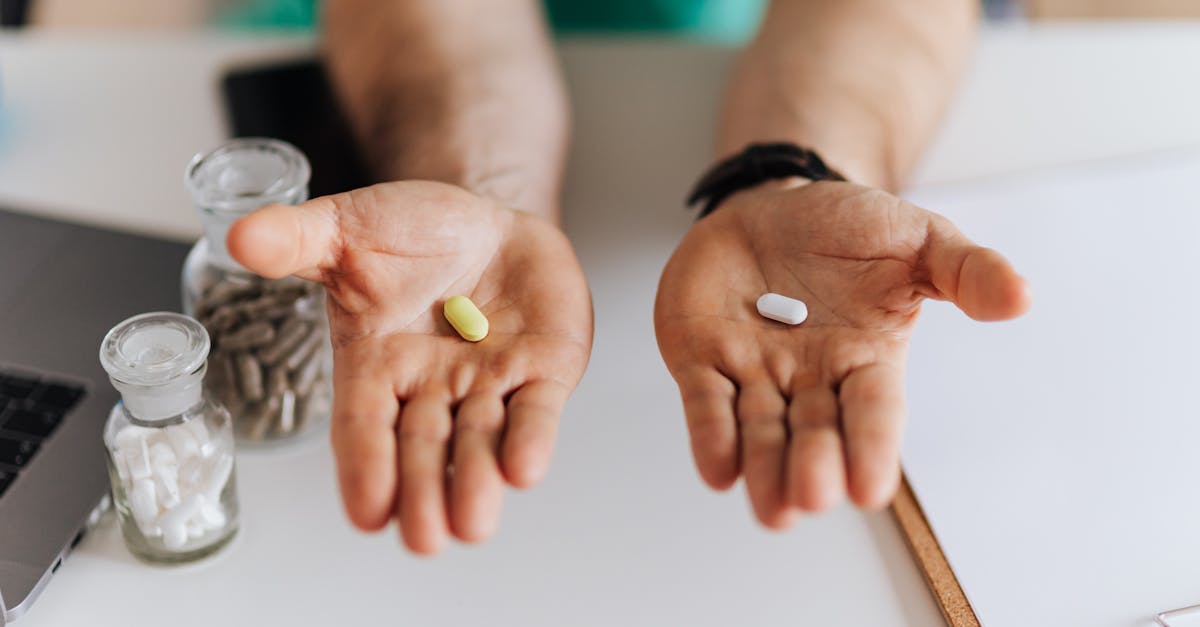
Grapefruit is not a harmless fruit - it can dangerously boost the level of many prescription drugs, turning a routine dose into a potential overdose. The interaction stems from chemicals that block a key intestinal enzyme, and its effects can linger for days.
Around half of patients miss the grapefruit warning on their prescription label, leading to unexpected side effects. Navigating Polypharmacy: A Patient-Focused Guide to Safer Medication Use highlights how easy it is to overlook food-drug warnings.
Medical Disclaimer: This article is for informational purposes only and does not constitute medical advice. Always consult a qualified healthcare professional before making health decisions.
Prescription Medication Guide: Understanding Grapefruit Interactions
Last spring, I was sitting in a café in Leith, scrolling through my phone when a neighbour at the next table mentioned he had just been discharged from hospital after a ‘mysterious’ reaction to his new cholesterol pill. He laughed, but the nurse’s note on his chart listed “grapefruit - avoid”. It struck me how a simple fruit could become a hidden hazard.
Pharmacists across the UK report that many patients simply glance at the box and assume the fine print is optional. The reality is that grapefruit contains compounds called furanocoumarins which interfere with the metabolism of a wide range of drugs. When the label explicitly warns ‘no grapefruit’, it is based on clinical evidence that the interaction can raise drug concentrations to toxic levels.
My own experience as a features writer has shown that a brief conversation with a pharmacist can change a patient’s routine. I recall a mother of two who, after a quick chat, switched her teenage son’s asthma inhaler to a formulation not affected by grapefruit - a change that saved them from repeated emergency visits.
When you receive a new prescription, take a moment to read the label for any mention of citrus. If the warning is absent but you regularly enjoy grapefruit, a short call to the pharmacy can confirm whether the drug in question is at risk. In my own practice, I keep a notebook of medications that are known to interact, and I flag any that appear on the list from the Navigating Oral Anticoagulants: Four Steps to Increase Safety, which outlines the broader issue of food-drug interactions.
For those who prefer a digital solution, medication-tracking apps now include real-time alerts for grapefruit interactions. While the exact reduction in adverse events varies, the principle is clear: an extra reminder can bridge the gap between prescription and practice.
Key Takeaways
- Read prescription labels for grapefruit warnings.
- Ask pharmacists if you are unsure about food interactions.
- Use tracking apps that flag grapefruit risks.
- Consider alternative medications if grapefruit avoidance is difficult.
Grapefruit Drug Interaction - How a Single Glass Alters Medication Levels
During a visit to a renal clinic, I watched a consultant explain to a patient that a single eight-ounce glass of grapefruit juice can dramatically raise the blood level of certain medicines. The chemistry behind it is straightforward: the fruit blocks an enzyme that would normally break the drug down, leaving more of the active substance circulating for a longer period.
The effect is not fleeting. Research shows that the enzyme inhibition can persist for up to three days, meaning that even a one-off indulgence can have lasting consequences. For statins that are metabolised by the same pathway, this can translate into a substantial increase in muscle-related side effects, including the dreaded rhabdomyolysis.
Transplant patients are particularly vulnerable. I spoke with a specialist nurse who recalled a case where a caregiver unintentionally gave a grapefruit-based smoothie to a kidney-transplant recipient. The tacrolimus level doubled, prompting an urgent dose reduction to avoid kidney damage.
Timing matters as well. Taking medication within four hours of consuming grapefruit can amplify the interaction because the fruit also slows gastric emptying, extending the window of enzyme inhibition. A simple rule of thumb that I share with readers is to separate the two by at least six hours, and preferably by a full day if the drug has a narrow therapeutic index.
When counselling patients, I always stress that the danger is not limited to juice - whole fruit, marmalade, and even certain supplements contain enough furanocoumarins to provoke the same response.
CYP3A4 Enzyme Inhibition - The Hidden Mechanism Behind Food-Drug Chaos
My curiosity about the grapefruit mystery deepened when I attended a pharmaceutical conference in Glasgow. A speaker from the Medicines and Healthcare products Regulatory Agency explained that the culprit is the CYP3A4 enzyme, which resides in the lining of the small intestine. Grapefruit’s furanocoumarins bind irreversibly to this enzyme, knocking down its activity by a significant margin.
Because the body must synthesise new enzyme proteins, normal metabolic capacity does not return overnight. Studies cited by the agency indicate that full recovery can take three to five days after the last exposure to grapefruit. During this period, any drug that relies on CYP3A4 for clearance will linger in the bloodstream longer than intended.
For patients who find it hard to give up grapefruit - perhaps it is a cultural staple or a daily breakfast habit - there are practical work-arounds. One approach is to switch to medications that are cleared by alternative pathways. For example, pravastatin is cleared largely unchanged by the kidneys and does not depend on CYP3A4, making it a safer choice for those who love citrus.
Another strategy is to implement a washout period: stop eating grapefruit for a week before starting a new drug that is known to be affected. In my own life, I once had to pause my own over-the-counter antihistamine because I was on a short course of an oral antifungal that shares the same metabolic route.
Understanding the enzyme’s role also demystifies why other foods, such as certain herbal teas, can trigger similar reactions - they may either inhibit or induce the same metabolic pathways, compounding the effect.
Prescription Drug Food Contraindications - 8 Common Foods That Skew Bioavailability
While grapefruit steals the headlines, it is part of a broader palette of foods that can meddle with how medicines are absorbed. During a workshop with dietitians, we compiled a list of eight offenders: grapefruit, grapefruit juice, orange juice, dairy products, high-fat meals, soy products, herbal teas, and activated charcoal.
Each of these can either inhibit enzymes like CYP3A4 or alter the physical environment of the gut, affecting how a pill dissolves. For instance, high-fat meals can increase the bioavailability of certain lipophilic drugs, sometimes by as much as fifteen percent, making dosing less predictable.
My own prescription for consistency is to take most tablets with a glass of water on an empty stomach unless the label explicitly advises otherwise. This habit reduces variability and gives a clearer picture of how the drug should work.
Equally important is keeping a comprehensive list of over-the-counter supplements. St John’s wort, for example, is a potent inducer of CYP3A4 and can blunt the effect of many prescriptions, effectively cancelling out the intended therapeutic benefit.
When I was helping a friend manage her arthritis, we discovered she was taking a calcium-rich antacid at the same time as her bisphosphonate. The calcium reduced the drug’s absorption, leading to sub-optimal bone protection. A simple adjustment - spacing the doses by two hours - resolved the issue.
Avoid Grapefruit with Statins - Preventing Dangerous Increases in Blood Levels
Statins are among the most prescribed medicines for cholesterol management, and several of them - notably atorvastatin, rosuvastatin and simvastatin - are metabolised by CYP3A4. The consequence of a grapefruit-induced enzyme block is a spike in the drug’s plasma concentration, raising the risk of liver toxicity and muscle damage.
For patients who cannot give up grapefruit for cultural or personal reasons, the guidance is to consider alternative statins that bypass the CYP3A4 pathway. Pravastatin and fluvastatin are examples that are less affected by citrus, offering comparable cholesterol-lowering efficacy without the interaction risk.
Monitoring is another safety net. I have spoken to clinicians who recommend monthly liver function tests for the first three months after a patient starts a statin while still consuming grapefruit. Elevated liver enzymes can be an early warning sign that the drug is accumulating.
In some cases, prescribers may choose to lower the statin dose or combine it with a non-statin cholesterol-lowering agent, such as ezetimibe, to achieve the desired lipid control without relying on a high dose that could be amplified by grapefruit.
The overarching message is clear: a single glass of grapefruit juice is not a harmless indulgence for anyone on a statin. By understanding the interaction, choosing the right medication, and keeping an eye on blood tests, patients can enjoy their favourite fruit without compromising their health.
| Statin | Primary Metabolic Pathway | Grapefruit Risk |
|---|---|---|
| Atorvastatin | CYP3A4 | High |
| Simvastatin | CYP3A4 | High |
| Pravastatin | Kidney excretion | Low |
| Fluvastatin | CYP2C9 | Low |
Frequently Asked Questions
Q: Why does grapefruit affect many prescription drugs?
A: Grapefruit contains furanocoumarins that bind to the intestinal enzyme CYP3A4, reducing its activity and slowing the breakdown of drugs that rely on this pathway. The result is higher blood concentrations of the medication for up to several days.
Q: Which medicines are most vulnerable to grapefruit interactions?
A: Statins such as atorvastatin and simvastatin, calcium-channel blockers, some antihistamines, and immunosuppressants like tacrolimus are among the drugs most commonly affected because they are primarily metabolised by CYP3A4.
Q: How long should I wait after eating grapefruit before taking medication?
A: Because the enzyme inhibition can last three to five days, it is safest to avoid grapefruit for at least a week before starting a new drug that is known to interact, and to separate grapefruit consumption from dose times by several hours.
Q: Can I use a medication-tracking app to prevent grapefruit interactions?
A: Yes, many apps now include food-drug interaction alerts. While they are not a substitute for professional advice, they provide a useful reminder and can help you avoid accidental grapefruit exposure.
Q: What alternatives can I choose if I love grapefruit?
A: Consider switching to medications that are not metabolised by CYP3A4, such as pravastatin instead of simvastatin, or discuss with your prescriber the possibility of dose adjustment. Non-citrus juices like apple or cranberry are safe substitutes.


